What Makes Fences Rust Faster In Darwin’s Coastal Climate
You install a new fence expecting it to last for years, only to notice rust spots appearing sooner than anticipated. What begins as a small patch of surface discolouration can gradually expand, weakening the metal and affecting the overall appearance of your property. In coastal environments, corrosion often develops quietly and spreads faster than many people realise. The combination of salt carried in sea air, high humidity and intense seasonal storms creates particularly challenging conditions for exposed metal structures.
For homeowners investing in
fencing in Darwin, understanding how and why rust forms is key. With the right materials, installation and maintenance approach, you can better protect your fence and maximise its long-term durability and value.
Why Coastal Air Accelerates Rust on Metal Fencing
Living near the coast means constant exposure to airborne salt particles. Even if you cannot see it, salt settles on metal surfaces and speeds up oxidation.
Key contributing factors include:
- Salt spray carried inland by wind
- Fine salt particles clinging to fence panels & posts
- Chemical reactions between salt & exposed metal
- Increased moisture retention on surfaces
When salt accumulates, it breaks down protective coatings and allows corrosion to begin beneath the surface. Over time, this can weaken structural components. A professional fencing contractor in Darwin understands how local coastal conditions affect material performance and can recommend options designed to better withstand salt exposure.
High Humidity & Monsoon Seasons: A Perfect Storm for Corrosion
Coastal climates bring more than just salt. High humidity and heavy rainfall create extended periods of moisture exposure, particularly during the wet season.
Environmental conditions that contribute to rust include:
- Persistent moisture sitting on metal surfaces
- Limited drying time between rain events
- Water pooling around fence posts
- Organic debris trapping dampness
Moisture is a primary ingredient in rust formation. When fences remain damp for prolonged periods, oxidation accelerates. Regular inspections after the wet season help identify early signs of corrosion. Addressing small areas of surface rust early can prevent more significant structural deterioration.
The Role of Fence Material Selection in Long-Term Durability
Material choice plays a decisive role in how well a fence performs in coastal environments. Not all metals respond the same way to salt, moisture and constant humidity. Some materials naturally resist corrosion, while others rely heavily on protective coatings. Selecting the right option can significantly influence durability, maintenance needs and overall lifespan.
Common options include:
- Galvanised steel with protective zinc coating
- Aluminium, which naturally resists rust
- Powder-coated finishes for added surface protection
- Treated steel designed for coastal exposure
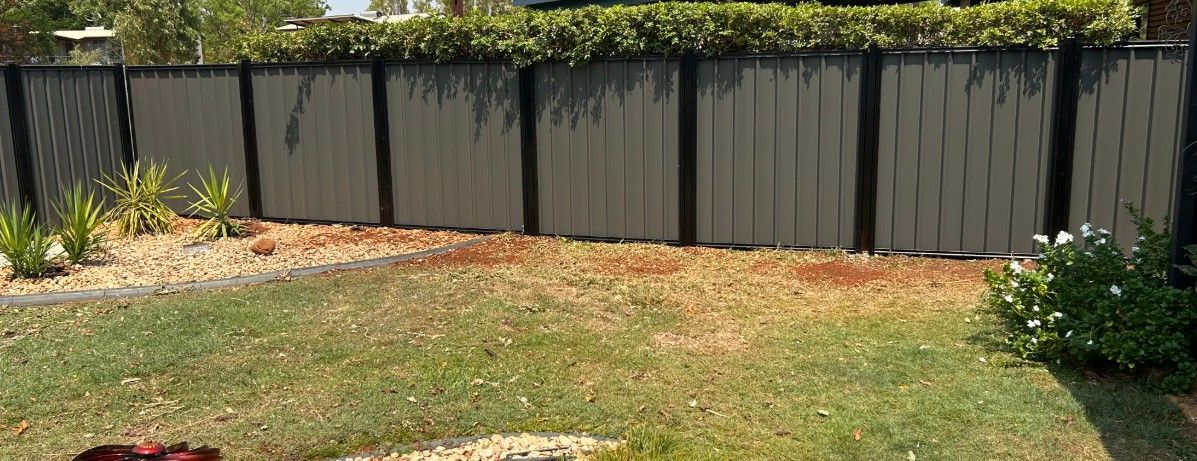
Selecting appropriate materials can significantly influence lifespan. Aluminium fencing, for example, does not rust in the same way steel does. Galvanised and coated products provide additional protection when properly maintained. A fencing contractor in Darwin can assess property location, exposure level and intended use to guide material selection for improved longevity.
Poor Installation Practices Can Speed Up Rust Development
Even durable materials can deteriorate prematurely if installation methods are flawed. Proper drainage, spacing and protection are critical.
Installation factors that affect corrosion include:
- Posts set without adequate drainage
- Insufficient ground clearance
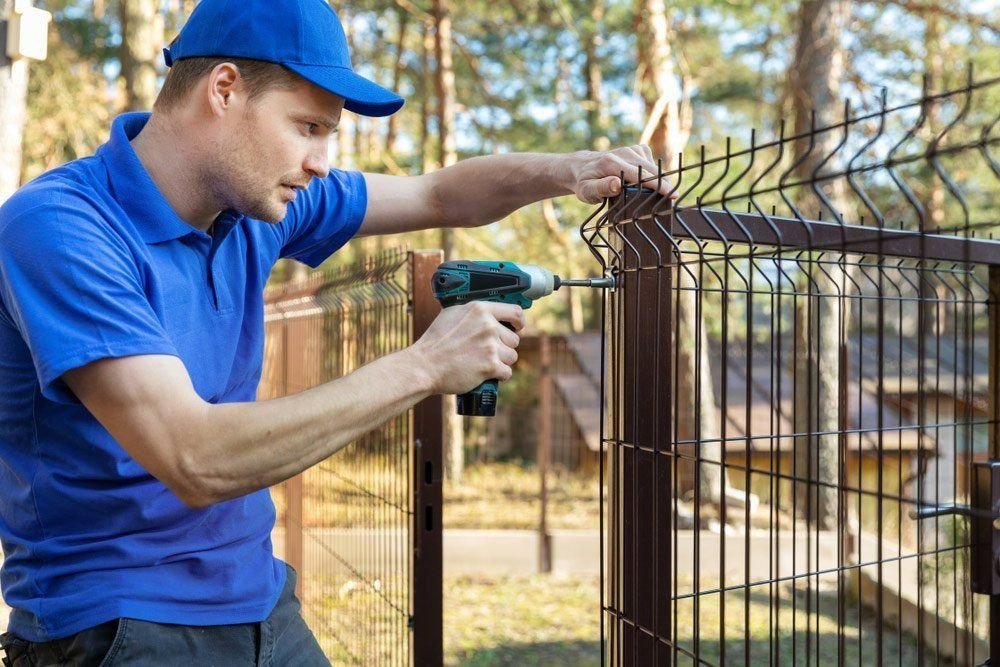
- Damaged protective coatings during installation
- Low-quality fasteners prone to corrosion
Water pooling around fence bases creates prolonged moisture exposure, accelerating rust at ground level. Secure fixings and correct post-treatment reduce risk. Professional installation ensures that protective coatings remain intact and that structural components are properly sealed against environmental stress.
How Minor Surface Damage Turns into Major Corrosion
Small scratches and chips may seem cosmetic, but they expose bare metal to the elements. In coastal environments, that exposure quickly becomes problematic.
Surface damage may result from:
- Impact from lawn equipment
- Storm debris
- General wear over time
- Improper cleaning methods
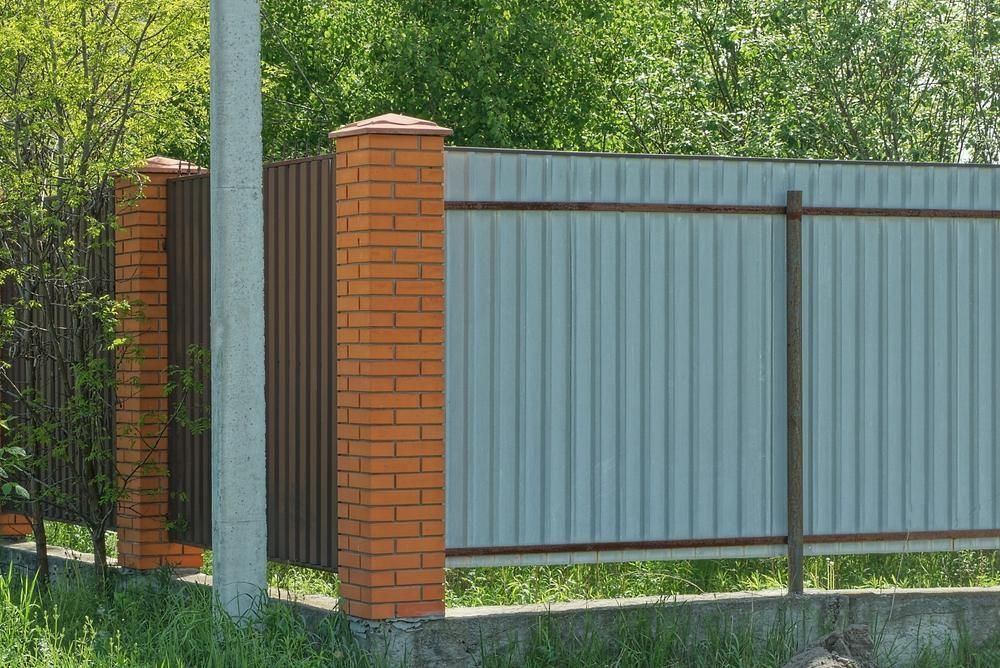
Once protective coatings are compromised, moisture and salt begin attacking the exposed area. Rust spreads beneath paint layers and along joints. Prompt touch-ups and repairs help stop corrosion from expanding. Regular visual checks allow property owners to respond early before damage becomes structural.
Preventative Maintenance That Slows Rust in Coastal Areas
While coastal exposure cannot be eliminated, maintenance can significantly slow the corrosion process. Simple preventative measures make a measurable difference.
Effective maintenance includes:
- Washing down metal fencing to remove salt build-up
- Inspecting joints, fasteners & base plates
- Reapplying protective coatings when required
- Clearing debris that traps moisture
Routine care helps preserve protective finishes and prevents long-term deterioration. Professional maintenance services can also identify hidden issues that may not be obvious from ground level. Consistent upkeep extends the lifespan of fencing in Darwin and protects structural integrity.
When Fence Repairs Are Enough & Replacement Makes Sense
Not all rust damage requires full replacement. In many cases, targeted repairs restore strength and appearance.
Repairs may be suitable when:
- Rust is confined to isolated areas
- Structural posts remain sound
- Protective coatings can be reapplied
- Damage has not compromised stability
Replacement becomes necessary when corrosion spreads extensively or structural components weaken. A detailed inspection provides clarity on whether repair or replacement offers better long-term value. Making the right decision early prevents ongoing maintenance costs from escalating unnecessarily.
Choosing a Coastal-Ready Fencing Solution for Long-Term Value
Long-term performance begins with planning. Assessing environmental exposure and selecting suitable materials ensures better outcomes.
A strategic approach involves:
- Evaluating proximity to saltwater
- Selecting corrosion-resistant materials
- Ensuring proper installation techniques
- Scheduling routine inspections
Investing in coastal-ready fencing reduces the likelihood of premature deterioration. Thoughtful design and material selection improve durability while maintaining visual appeal. For properties exposed to salt air and seasonal storms, professional guidance supports smarter long-term decisions.
Coastal environments create unique challenges for metal fencing. Salt exposure, humidity and installation quality all influence how quickly rust develops. By selecting appropriate materials, ensuring professional installation and committing to regular maintenance, property owners can significantly extend fence lifespan and protect their investment.
At
Rabbo's Fencing Services, we provide tailored solutions designed to withstand Darwin’s coastal climate. If you’re concerned about rust or planning new
fencing in Darwin,
contact us to arrange an assessment and explore durable options suited to local conditions.